The cost to replace a roof in Utah is a premier financial investment that requires careful preparation and an understanding of regional environmental demands. Utah homeowners face highly distinct climate variables that heavily accelerate the wear and tear of standard construction materials. Between the intense, high-altitude ultraviolet (UV) exposure of dry summers and the crushing weight of snow loads along the Wasatch Front winters, your home’s top barrier serves as its absolute first line of defense.
In 2026, real estate data shows that the typical cost to replace a roof in Utah generally ranges between $8,000 and $15,000 for standard residential structures. However, selecting premium materials, adapting to complex architectural layouts, or matching structural code updates can push those numbers significantly higher.
What Determines the Total Cost to Replace a Roof in Utah?
No two residential structures are identical, meaning your final investment summary will depend heavily on several major physical variables. When regional contractors calculate the overall cost to replace a roof in Utah, they evaluate four critical structural components:
1. Roof Total Square Footage and Pitch
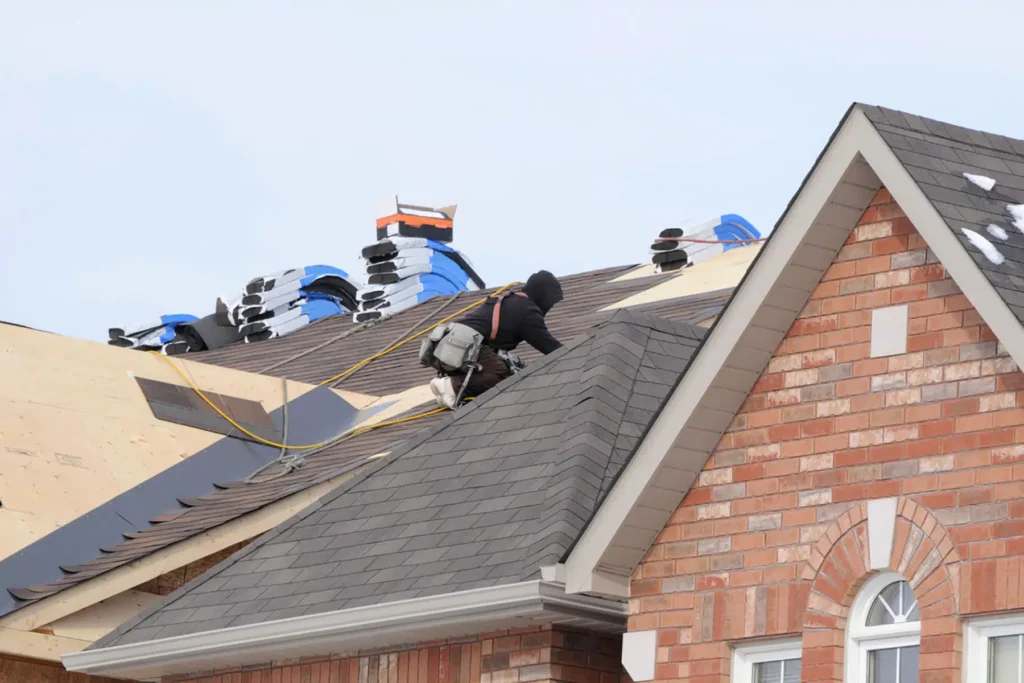
Roof surfaces are measured by “squares,” where one square equals 100 square feet of surface area. Naturally, larger structures require more raw material and extended build times. Furthermore, the pitch—or the slope steepness—directly dictates installation speed. Steeper pitches require specialized fall-protection harness gear, complex scaffolding setups, and slower staging speeds, which directly raises the final labor overhead.
2. Residential Material Selection
The single biggest factor affecting your line-item invoice is the material archetype you select. While traditional budget options keep initial expenses manageable, choosing high-performance metal, composite slate, or clay tile systems provides multi-decade lifespans at a clear premium.
3. Structural Architectural Complexity
A simple, flat ranch-style roof is fast and inexpensive to overlay. Conversely, custom homes featuring numerous dormers, skylights, chimneys, or intersecting valley lines require extensive manual flashing details and intricate waterproof cutting. This structural complexity drives up both time and material waste.
4. Historic Material Tear-Off and Disposal
Removing old, failing material layers adds notable manual labor to the schedule. Additionally, transporting thousands of pounds of old asphalt to regional municipal dumps incurs local landfill disposal fees, which have experienced moderate inflationary increases in 2026.
2026 Price Estimates: Calculating the Cost to Replace a Roof in Utah
To keep your budget completely aligned with current 2026 market baselines, we have compiled a structural pricing matrix. This breakdown displays the average installed investment totals for typical homes measuring between 1,500 and 2,000 square feet of active roof space.
| Material Category | Estimated Cost (Per Sq. Ft. Installed) | Typical Total Investment Range |
| Standard 3-Tab Asphalt Shingles | $4.50 – $7.50 | $8,500 – $14,000 |
| Premium Architectural Shingles | $5.50 – $9.00 | $11,000 – $18,000 |
| Standing Seam Metal Roofing | $8.00 – $16.00 | $16,000 – $32,000 |
| Clay Tile or Concrete Systems | $12.00 – $24.00 | $24,000 – $48,000 |
Critical Local Building Codes Affecting the Cost to Replace a Roof in Utah
Utah’s rigorous weather patterns are infamous for expanding tiny shingle weaknesses into massive structural leaks. The intense “freeze-thaw” cycles occur when daytime snowmelt runs down to the colder unheated eaves, refreezes instantly, and forms dangerous blockages known as ice dams.
To combat this widespread regional issue, 2026 building codes across many Utah municipalities have enacted strict, non-negotiable updates that directly alter installation processes:
- Ice-and-Water Shield Mandates: Building inspectors now require a specialized, self-adhering rubberized membrane applied along all lower eave edges. This membrane must extend at least 24 inches inside the interior heated wall line to stop backing water from penetrating the raw wooden roof deck.
- Balanced Attic Ventilation Standards: Modern code strictly enforces balanced ventilation calculations (Net Free Vent Area). Contractors must ensure that intake airflow through the lower soffits perfectly matches exhaust escape through the upper ridge vents, keeping attic space temperatures cold enough to prevent rapid snow melting.
Skipping these steps can completely void your manufacturer warranty. If your current structure is experiencing premature weathering but remains entirely stable, you should consider proactive preservation before committing to a full replacement. Be sure to check our guide on 5 Signs Your Roof Doesn’t Need Replacement Yet to see if you can bypass these huge capital outlays entirely.
Protect Your Real Estate Investment with Nano-Roof
Navigating local construction costs can feel overwhelming, but you do not have to make these large financial decisions blindly. Before signing a contract, homeowners must verify local licensing credentials through the Utah Division of Occupational and Professional Licensing (DOPL) to ensure their assets remain fully protected.
Ready to find out the exact, precise cost to replace a roof in Utah for your unique property? Connect with Nano-Roof today to organize your free, comprehensive local inspection. Our expert inspection crew will deliver a clear, mathematically precise evaluation of your roof deck health, cross-check your existing ventilation system against 2026 code mandates, and help you choose the most cost-effective path forward.
Schedule a free roof inspection