Roof Negotiation in Real Estate: How a Bad Roof Could Cost You $14,000 at Closing
Whether you’re getting ready to plant a “For Sale” sign in your front yard or you’re just starting your home-buying journey, there is one five-letter word that can make or break a deal: ROOF.
In the world of real estate negotiations, the roof isn’t just shelter—it’s a major financial lever. But how often does it actually come up at the bargaining table? We dove into the data from the National Association of REALTORS® and industry experts to see just how much “pull” a roof has in today’s market.
The #1 “Deal-Breaker” in Home Inspections
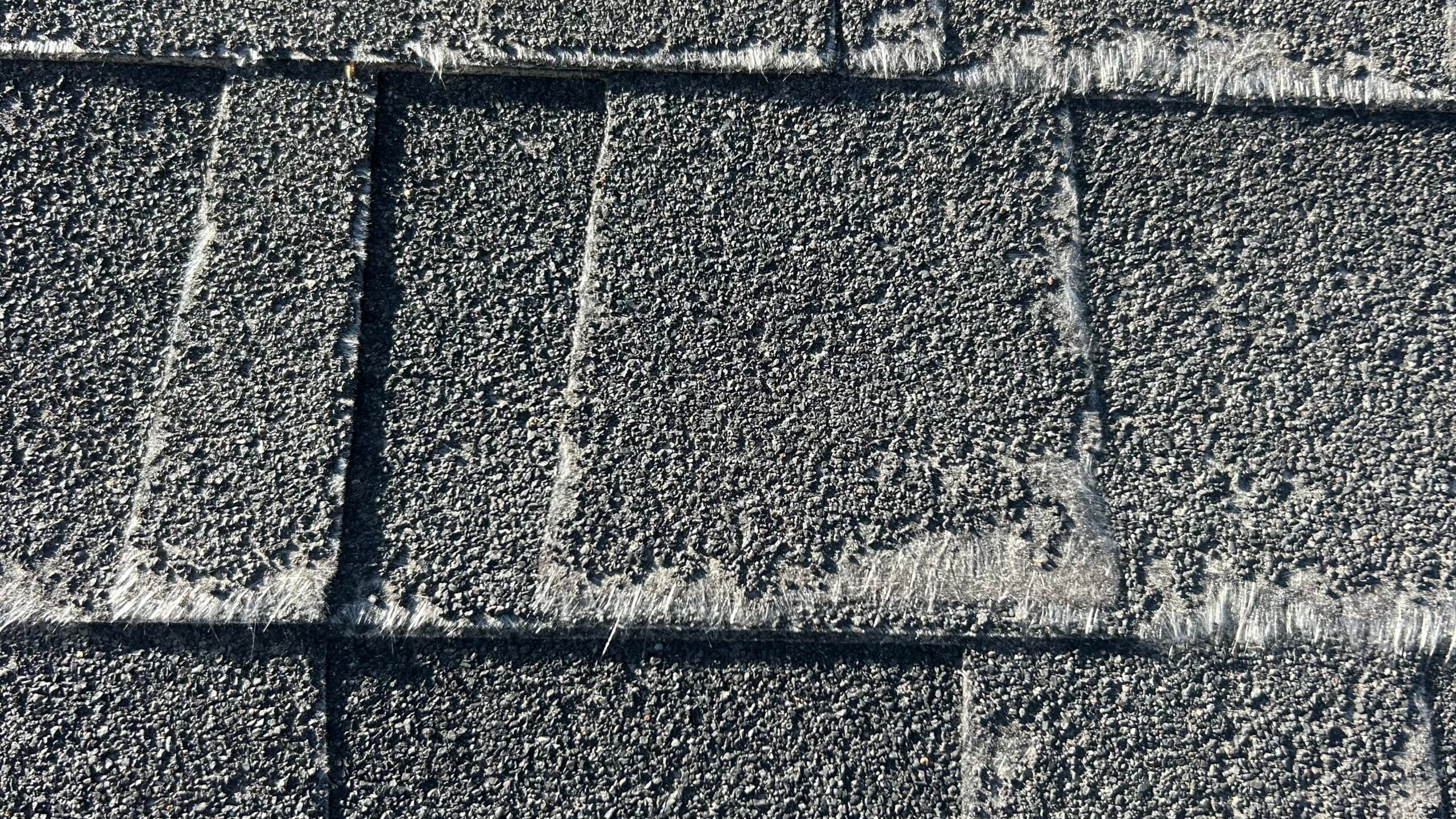
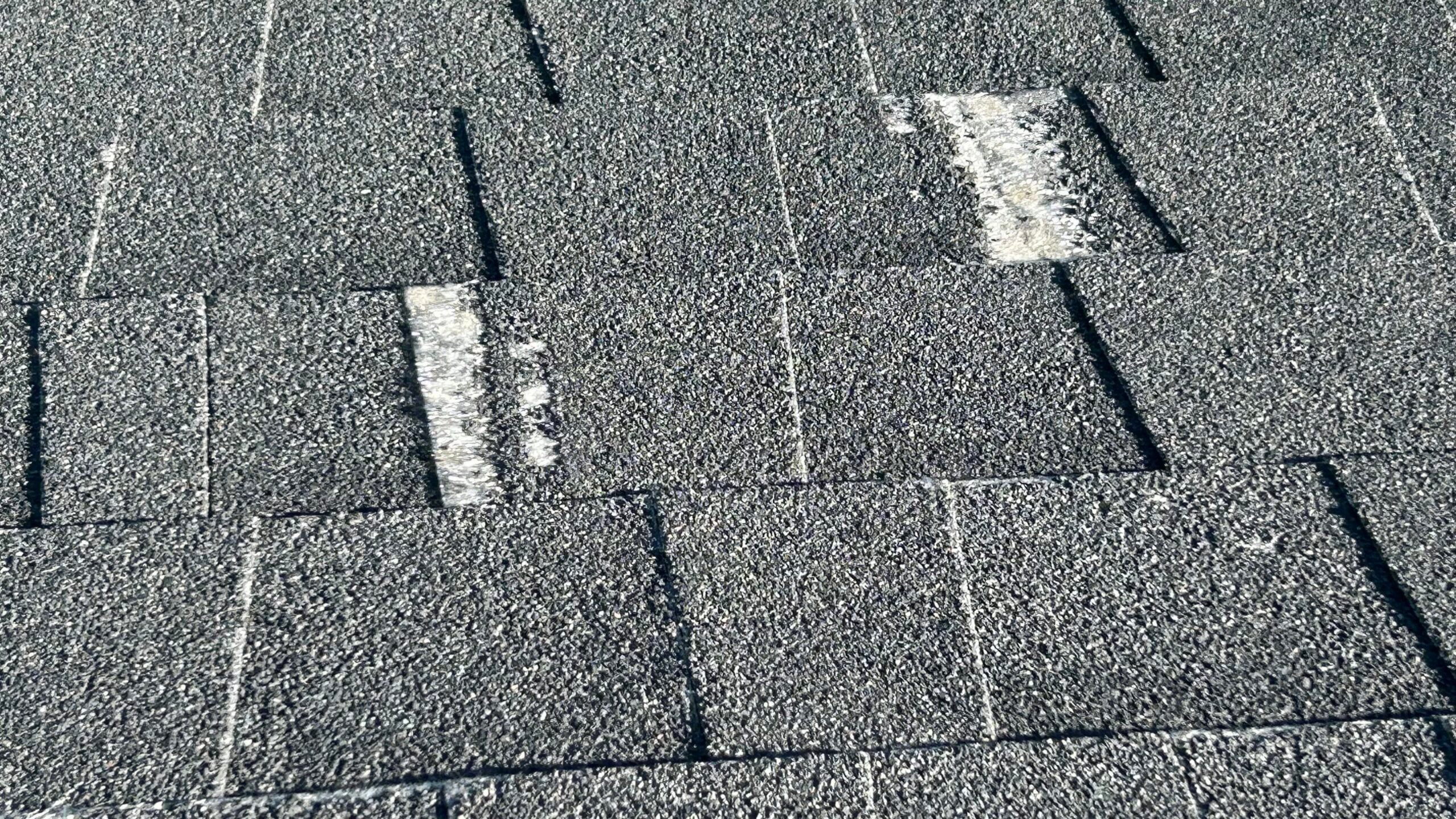
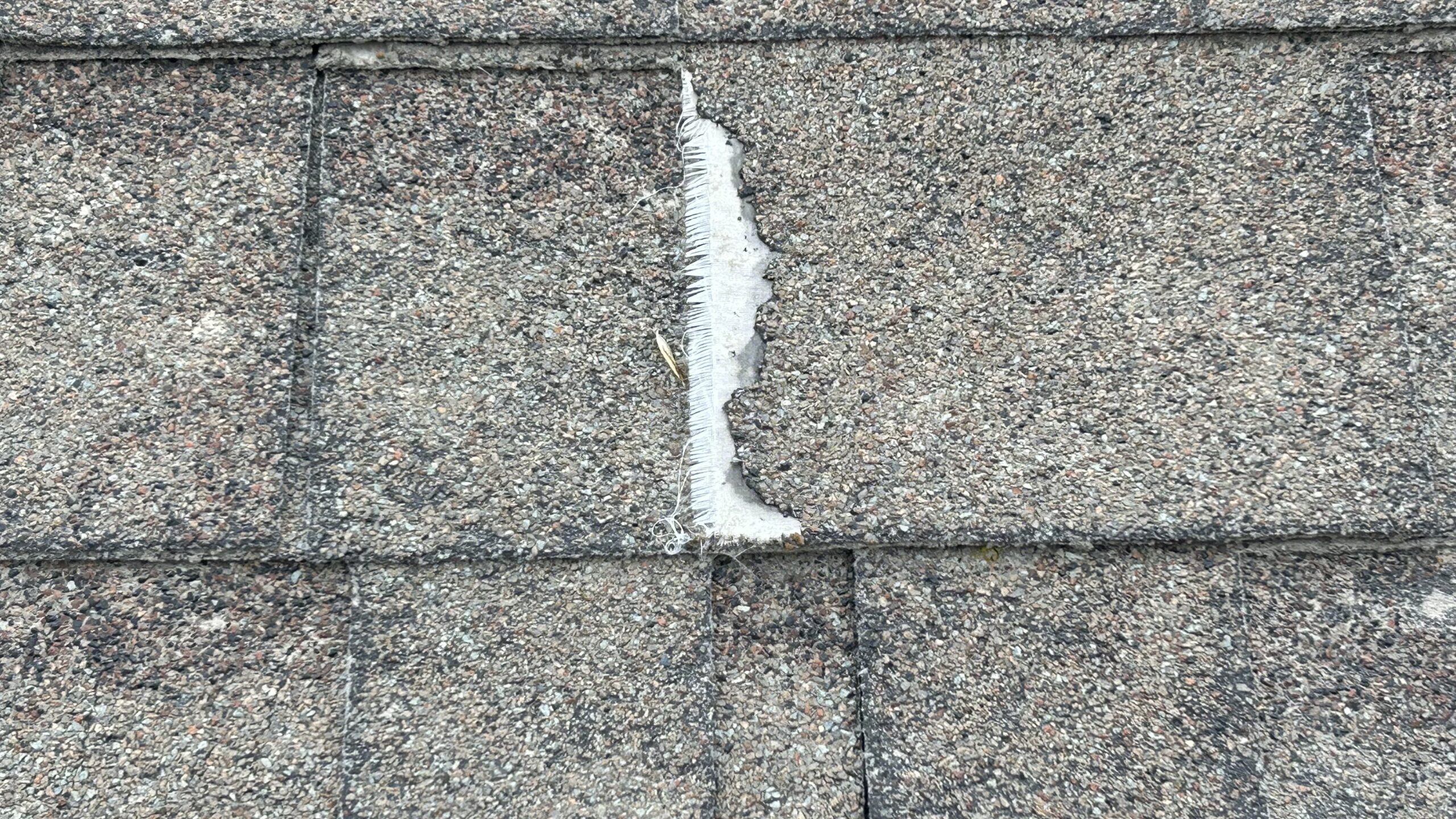
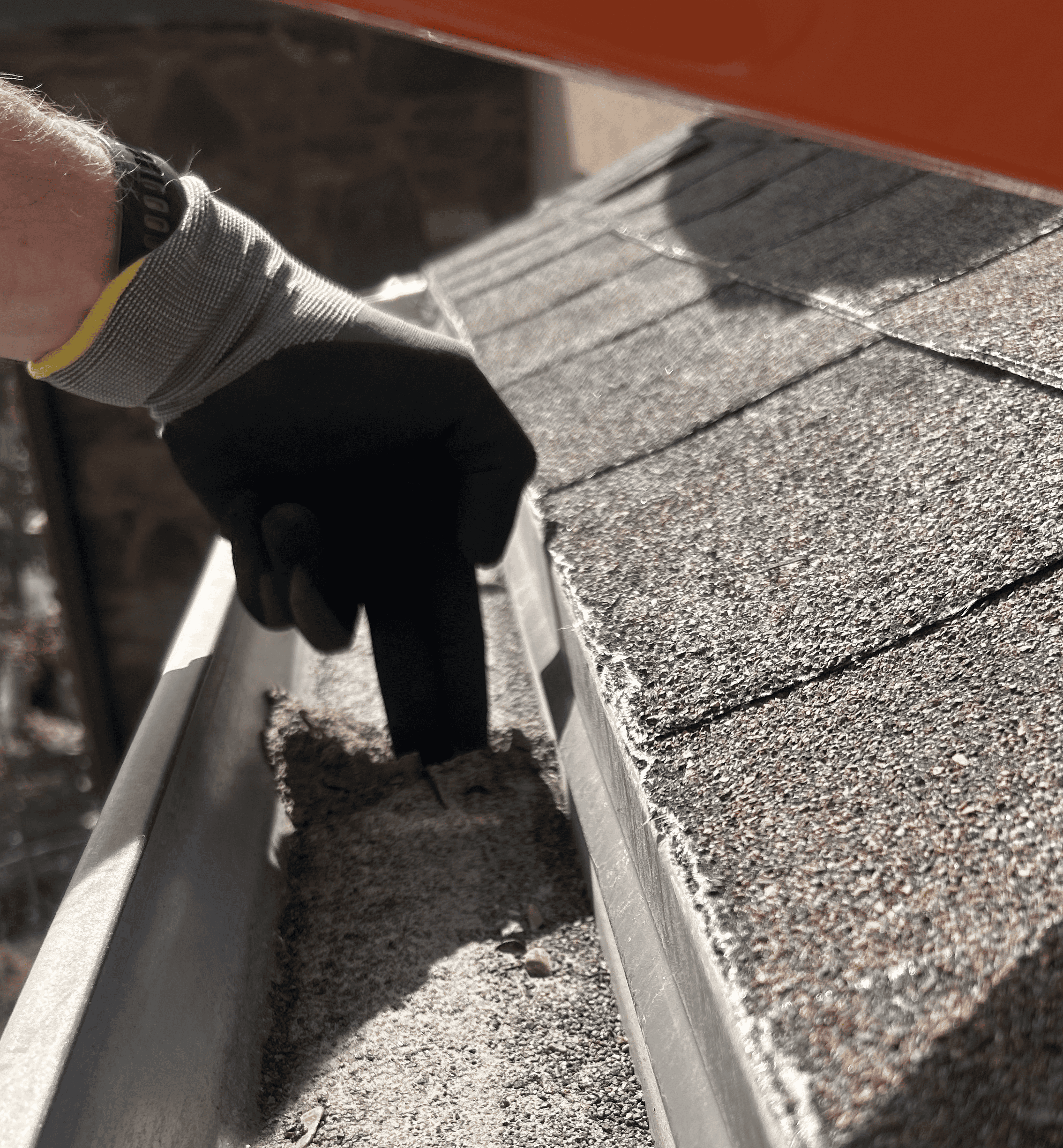
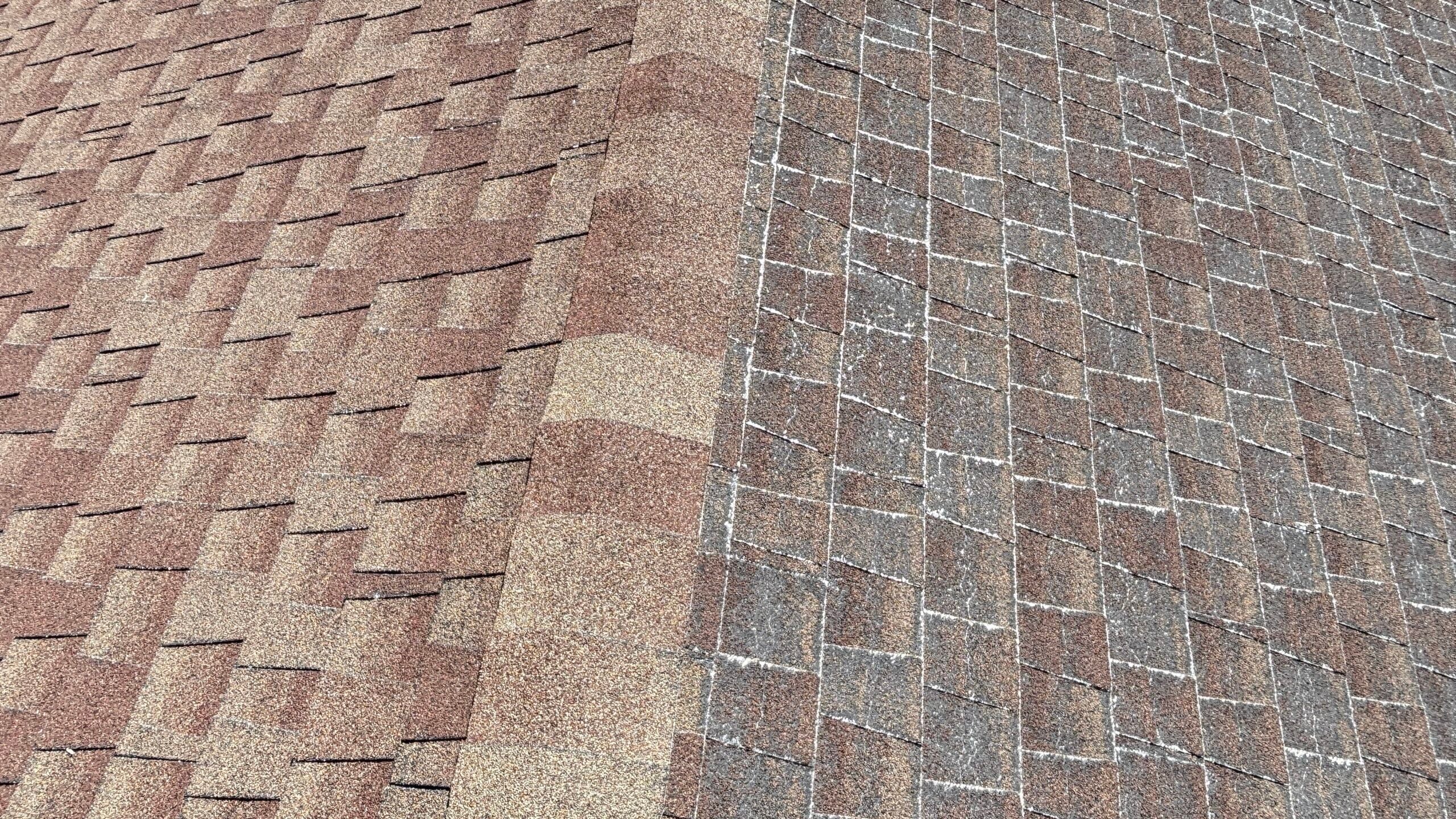
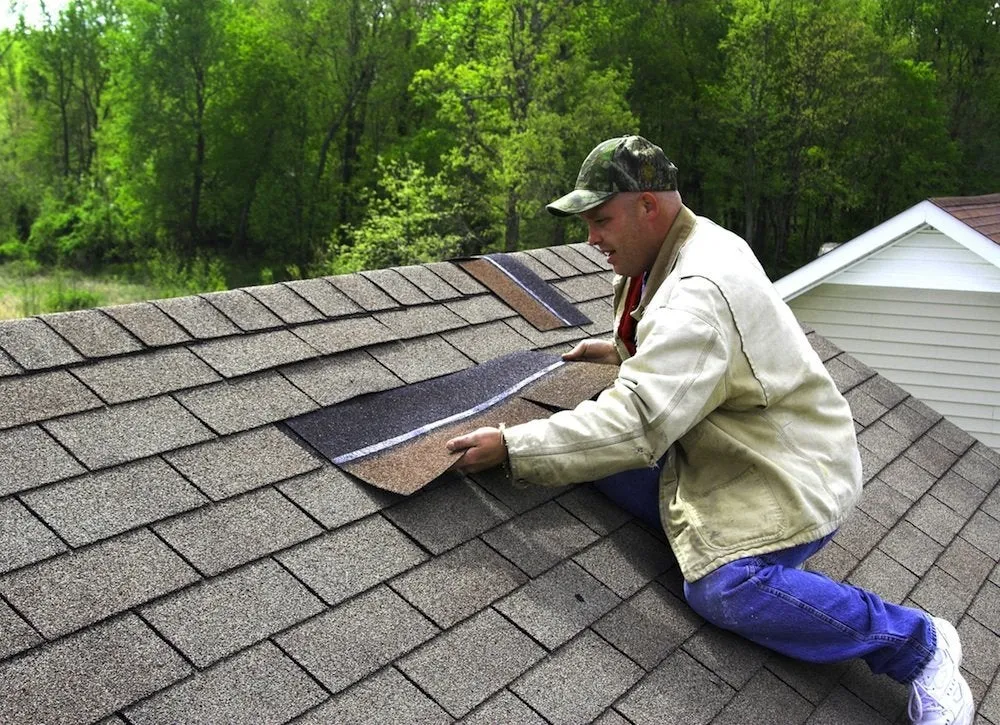
If you think a dated kitchen or ugly carpet is the biggest hurdle to a sale, think again. According to industry data, roofs are the most frequently flagged defect in home inspections, appearing in nearly 20% of all reports.
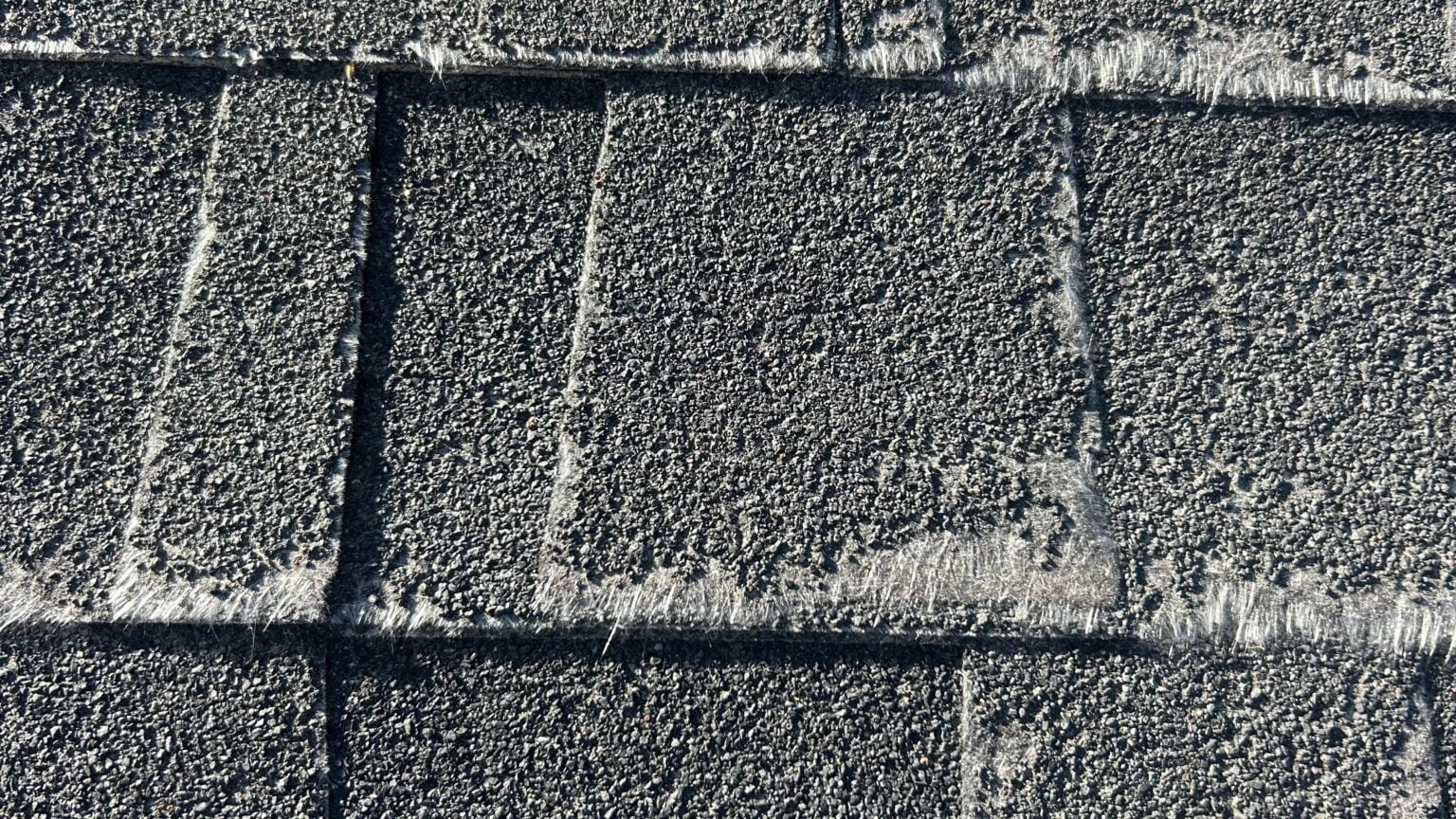
While a cracked tile or a few missing shingles might seem minor, they represent a larger conversation about the home’s “health.” In fact:
85% of home inspections reveal issues that require some level of repair.
Nearly half of all buyers (46%) use those inspection results to negotiate a lower sale price or a repair credit.
By the Numbers: What is a Roof Worth?
Negotiating a roof isn’t just about “fixing a leak”—it’s about the final number on your closing disclosure.
The Price Drop: When significant roof issues are found, buyers typically negotiate a final sale price roughly $14,000 below the original list price.
The Value Add: A new roof is one of the few exterior upgrades with a high ROI, typically adding 50–70% of its replacement cost to your home’s value.
The Risk Factor: Conversely, an aging roof (near the end of its 20-30 year lifespan) can lead to an immediate 2–5% reduction in your asking price.
3 Ways the Roof Negotiation Plays Out
If an inspection report comes back with “roofing concerns,” there are usually three paths forward:
The Price Reduction: The simplest method. The seller drops the price, and the buyer takes the home “as-is,” knowing they’ll need to fund the roof themselves later.
The Closing Credit: The seller provides a “concession” (cash credit) at closing. This is often preferred by buyers because it keeps more cash in their pocket to pay a contractor immediately after move-in.
The Pre-Sale Replacement: In some cases, the seller replaces the roof before the deal closes. This is often a requirement for FHA or VA loans, where lenders won’t approve the mortgage if the roof is deemed “failing.”
The “Insurance Wall”
Here is the reality for 2026: The negotiation isn’t just between the buyer and seller anymore—it’s between you and the insurance company.
Many carriers are now refusing to write new policies for homes with roofs older than 15 or 20 years. Because a buyer cannot get a mortgage without insurance, an old roof can be a total “deal-killer,” regardless of how much you’re willing to drop the price.
If you’re a seller, getting a roof certification or a pre-listing inspection can save you from a $14,000 surprise later. If you’re a buyer, the roof is your strongest piece of leverage—don’t be afraid to use it.
Thinking about listing your home soon? Don’t wait for the inspector to find a problem. Let’s look at your options for a roof assessment today so you can head to the closing table with confidence.
Don't let an inspector find it first. Get ahead of your roof and your negotiation.