Signs your roof doesn’t need replacement are a major financial relief to discover when you are trying to maximize the lifespan of your property. It is incredibly easy to panic the moment you spot an active drip or see a handful of dark granules resting at the bottom of your downspouts. Many homeowners immediately assume that a costly, multi-thousand-dollar total tear-off is unavoidable.
However, hasty choices often lead to unnecessary spending. Minor wear and tear should never be confused with structural structural failure. By understanding exactly what to look for, you can accurately evaluate your home’s shield and protect your bank account. Let’s dive deep into the clearest indicators that your aging roofing structure still has plenty of reliable years left in it.
1. Localized Leaks Reveal Clear Signs Your Roof Doesn’t Need Replacement
One of the most reassuring signs your roof doesn’t need replacement is when water penetration is completely isolated to a single, easily identifiable area.
If water only enters your home directly around a chimney, a skylight, or a single plumbing vent pipe, you are dealing with a localized flashing failure rather than a comprehensive material breakdown. Over time, seasonal temperature swings cause metal flashing to shift or old caulking to crack.
Fixing a specific leak point like this is a routine maintenance task. These targeted interventions typically run between $300 and $800. Comparing that to a massive structural tear-off that easily hits five figures, localized repairs are a financial win. If water is not spreading across multiple rooms or destabilizing major structural sections, your main shingle layout is doing its job beautifully.
2. Structural Attic Decking Remains Solid and Dry
You cannot truly judge the structural health of your system just by staring up at it from your driveway. The ultimate truth lies hidden inside your attic space.
To check for the genuine signs your roof doesn’t need replacement, grab a powerful flashlight and safely head up into your attic during a heavy downpour. Inspect the underside of the wood decking boards carefully.
What a Healthy Substructure Looks Like:
- Dry, Clean Wood: The structural plywood or historic tongue-and-groove boards should show zero active wet spots, rotting dark rings, or white powdery mold colonies.
- Perfect Structural Alignment: The wood panels should look completely flat and straight. They should never sag under load or flex significantly when pressure is applied from above.
If your structural decking is solid, dry, and square, your underlying foundation is completely intact. Even if your external shingles look a little weathered, a sturdy deck means the home is an excellent candidate for protective restoration rather than an expensive structural overhaul.
3. Only Minor, Normal Granule Loss Over Time
Finding a subtle accumulation of fine, sand-like sediment in your rain gutters can be alarming, but it is actually a standard part of the natural aging process for asphalt shingles. This is another one of those common indicators that look bad but are actually signs your roof doesn’t need replacement.
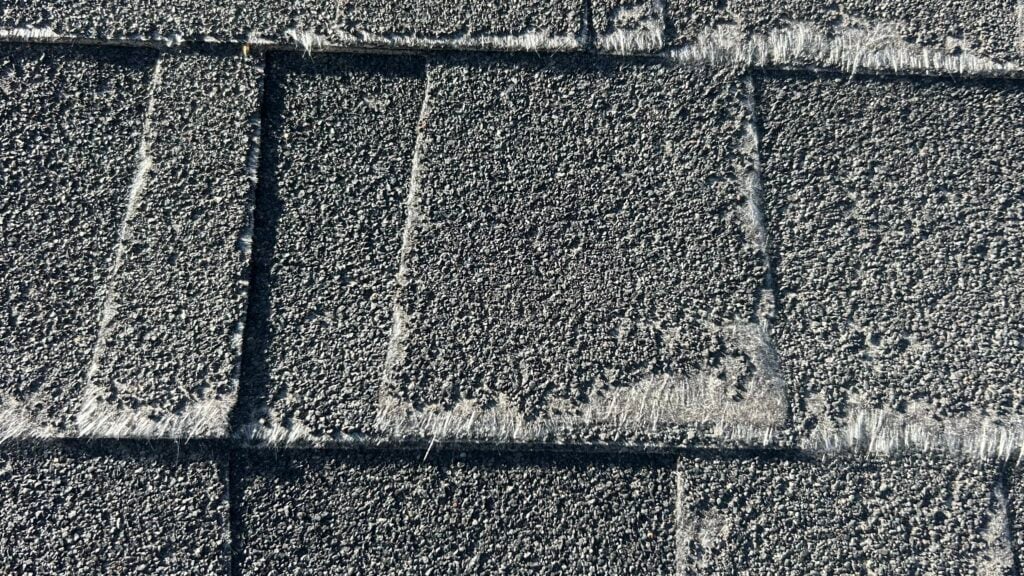
Shingles are deliberately engineered with an excess layer of protective ceramic granules to shield the delicate underlying asphalt matting from harsh solar UV rays. Some shedding is expected every single year, particularly after heavy hail or severe spring storms.

A true red flag only appears when you see large, dark “bald patches” where the raw fiberglass mat is entirely exposed to the elements. If your shingles still retain a uniform coating of protective granules across their entire surface, they possess plenty of life.
4. Total Absence of Deeply Cracked or Distorted Shingles
Aged shingles will inevitably fade under the constant glare of the sun, but color loss does not mean they have lost their ability to shed water. Fading is purely cosmetic. When looking for signs your roof doesn’t need replacement, examine the physical shape of the material rather than the color.
As long as the individual tabs lie completely flat and are entirely free of deep fractures, severe curling, or brittle vertical cracks, they remain fully functional.
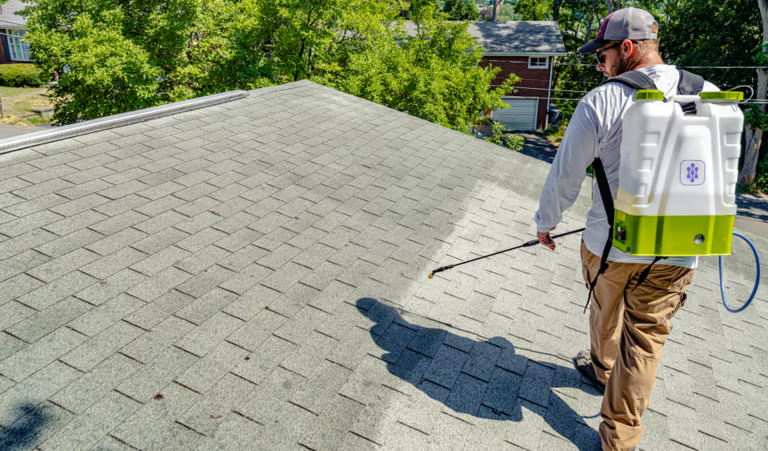
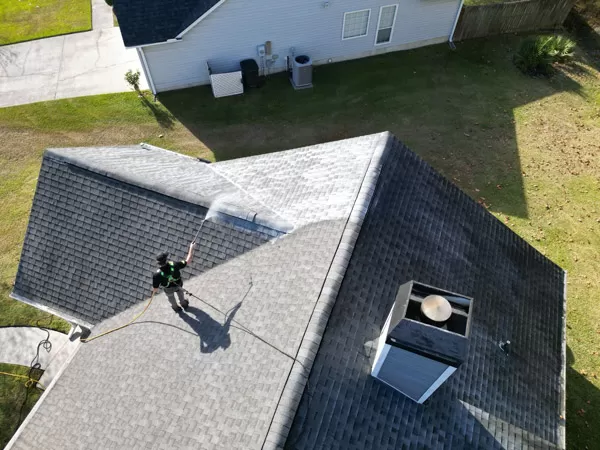
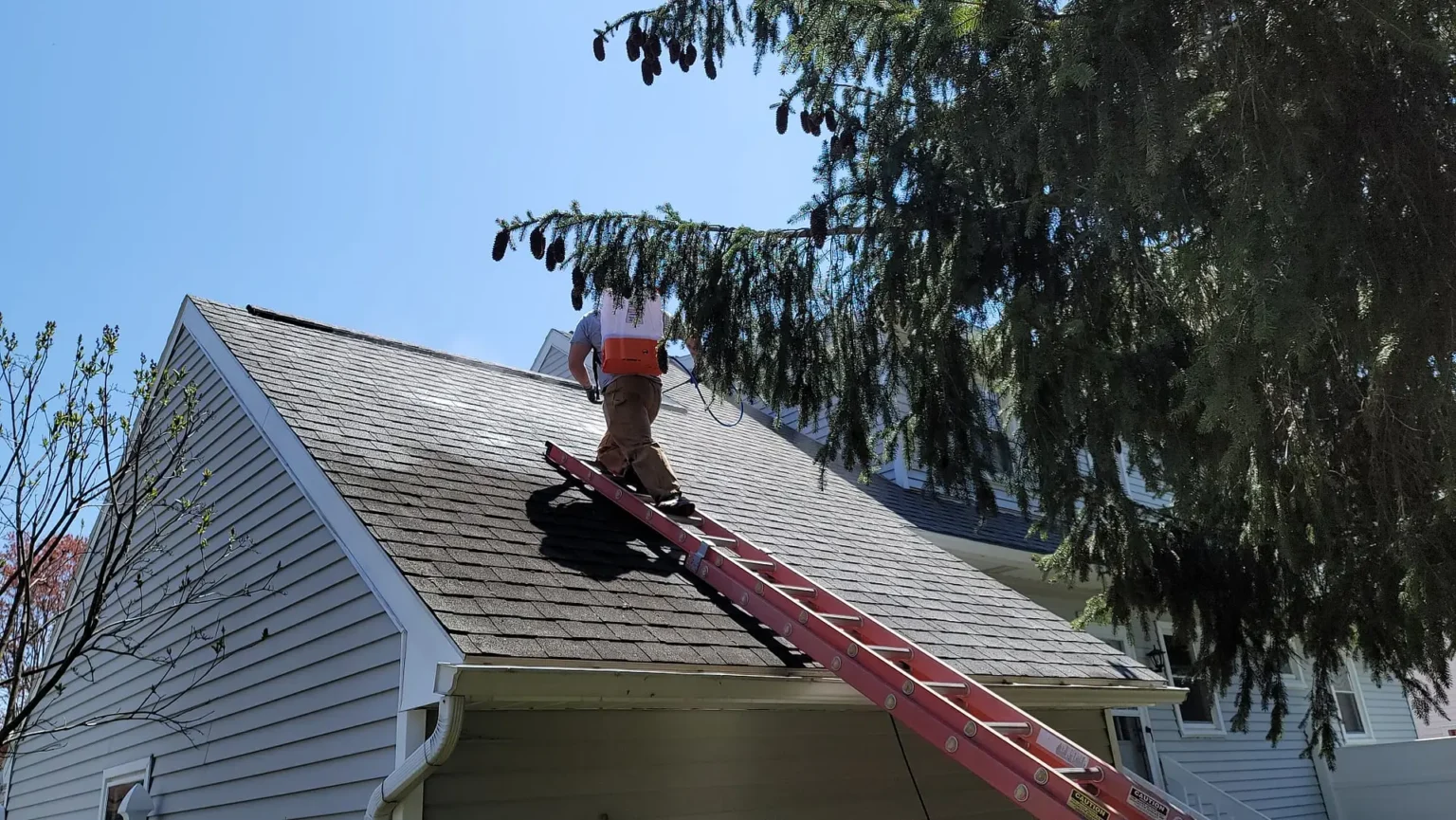
When shingles are dry but structurally whole, they can be treated with advanced bio-based preservation sealants. These modern treatments replenish the lost petrochemical oils within the asphalt, restoring its original flexibility and shedding capabilities. Taking advantage of these options allows you to proactively maintain your home and avoid premature capital expenses.
5. Excellent Attic Ventilation Are Proven Signs Your Roof Doesn’t Need Replacement
An asphalt shingle layout that stays cool from underneath lasts vastly longer than one baking on an unvented attic space. If your home features an optimized combination of functional soffit vents and a continuous ridge vent, you possess excellent signs your roof doesn’t need replacement.
According to data compiled by the National Roofing Contractors Association (NRCA), poor ventilation traps intense humidity and extreme heat inside the attic. This heat effectively bakes the shingles from both sides, causing them to blister and wear out prematurely.
Conversely, excellent airflow carries destructive moisture away from your roof framing. A well-ventilated 20-year-old system can easily provide another five years of dependable service before a complete tear-off is required.
Make the Smart Financial Move for Your Property
Replacing a system prematurely is an incredibly expensive mistake. Before you commit to a major construction project, it is essential to map out your long-term financial strategy. If you have confirmed the signs your roof doesn’t need replacement, understanding how these investments alter your taxes can change your entire approach.
Be sure to read our detailed local guide answering Are Roof Repairs Tax Deductible? to see how the IRS treats maintenance expenses versus permanent capital improvements on your property investments.
If your current shingles are showing aging but remain structurally sound, they likely qualify for advanced restoration. Navigating these early signs your roof doesn’t need replacement will help you maximize your real estate investments while keeping cash flow exactly where it belongs—in your pocket.