Are roof repairs tax deductible? Yes, roof repairs may be tax deductible if the property is used strictly for rental, business, or qualified home office purposes. While the IRS allows direct deductions for maintenance that preserves a property, it typically requires full roof replacements to be capitalized and depreciated over time. Fortunately, implementing proactive roof preservation can delay expensive capital improvement costs. Learn how the right roofing choices impact your tax strategy in Sandy, Utah.
1. Are Roof Repairs Tax Deductible as Standard Maintenance?
For business and rental properties, the answer is a definitive yes. The IRS distinguishes between routine maintenance and permanent upgrades.
Repairs (Immediately Deductible)
Repairs are actions that restore a property to its normal, efficient operating condition without adding significant market value or extending its overall lifespan.
If the roof serves an active rental property or a commercial building, these minor fixes qualify as ordinary and necessary business expenses. According to IRS Publication 527, you can deduct 100% of these costs in the exact year they occur.
Common examples of deductible roof repairs include:
Fixing active roof leaks
Replacing a few broken or missing shingles
Mending damaged metal flashing around chimneys
Patching minor storm damage
Improvements (Must Be Capitalized and Depreciated)
Improvements are projects that add material value to your property, adapt it to a brand-new use, or significantly prolong its useful life.
The IRS requires property owners to capitalize these upgrades. Instead of deducting the entire cost immediately, you must depreciate it slowly over a set period. For residential rental properties, this lifespan is typically 27.5 years under the Modified Accelerated Cost Recovery System (MACRS).
Common examples of roof improvements include:
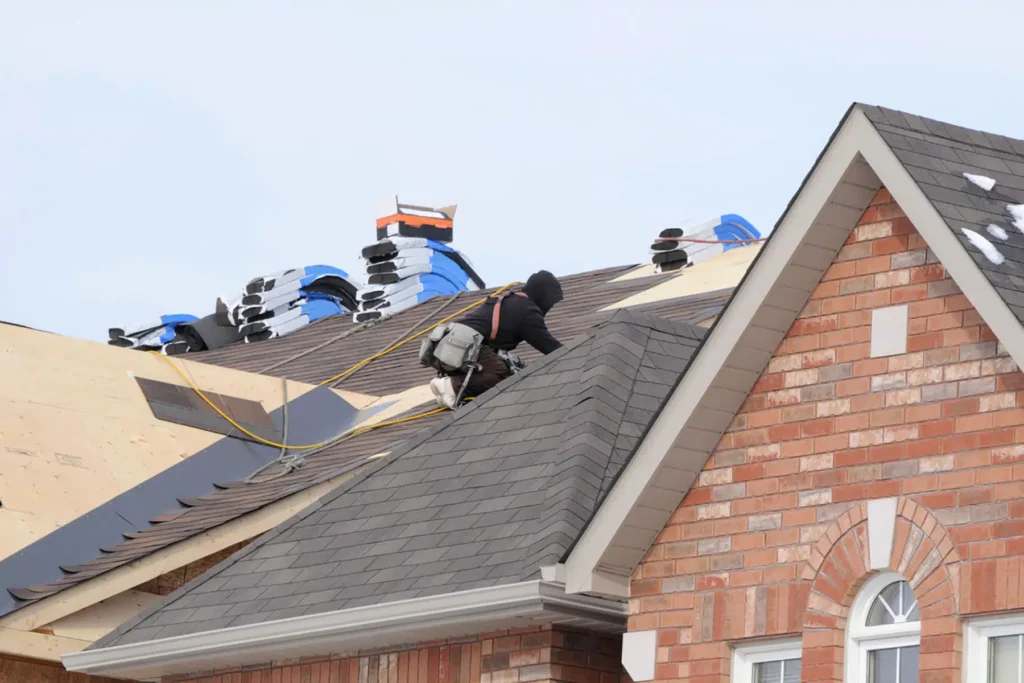
An entire, wall-to-wall roof replacement
Major structural framing or roof deck upgrades
Installing an entirely new waterproofing system
2. Are Roof Repairs Tax Deductible for Residential Homeowners?
For a standard, primary residence, a full roof replacement is not immediately tax-deductible.
Because a brand-new roof increases your home’s intrinsic value, the IRS treats it as a capital improvement. However, there is a long-term silver lining. You can add the entire cost of the new roof to your home’s tax basis. A higher tax basis reduces your taxable capital gains whenever you decide to sell your home down the road.
3. When Are Roof Repairs Tax Deductible Against Your Income?
There are three specific real estate scenarios where structural roof repairs unlock immediate tax benefits:
Rental Properties
Landlords can deduct maintenance expenses used to preserve a residential rental property. These costs are recorded directly on Schedule E (Form 1040) to offset your rental income.
Commercial Business Properties
Roof repairs for commercial buildings qualify as standard operating expenses. As long as the work purely maintains the building rather than upgrading its structural class, it keeps your current operations running smoothly and reduces corporate tax liability.
Qualified Home Office Deductions
Do you operate a business out of your primary home? If a specific portion of your residence is used exclusively and regularly for business, you may qualify for the home office deduction. In this scenario, a percentage of your roof repair bill can be deducted. This write-off is calculated based on the exact square footage percentage your office occupies within the home.
Why Local Roof Preservation Makes Intelligent Financial Sense
A complete roof replacement is notoriously expensive. Across Salt Lake County and the broader Sandy, Utah region, tearing off old shingles and installing a new roof easily costs anywhere from $12,000 to $30,000 or more.
Because a full replacement forces you into a long-term depreciation cycle rather than giving you an immediate deduction, property owners are increasingly turning to advanced roof preservation.
Extending the Lifespan of Your Asphalt Shingles
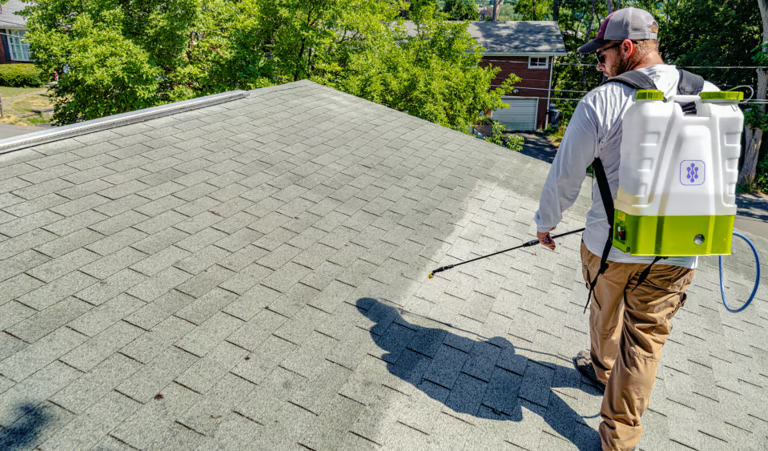
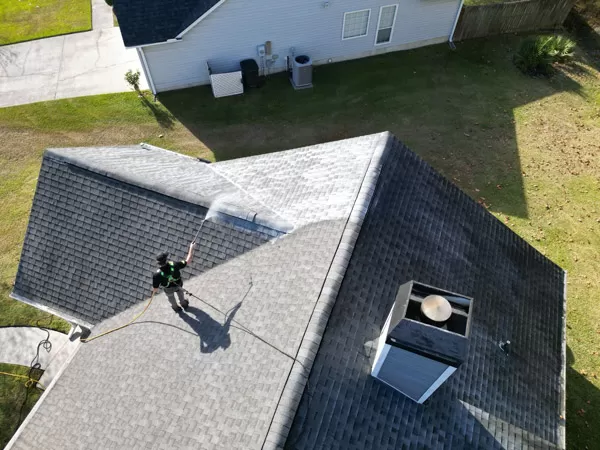
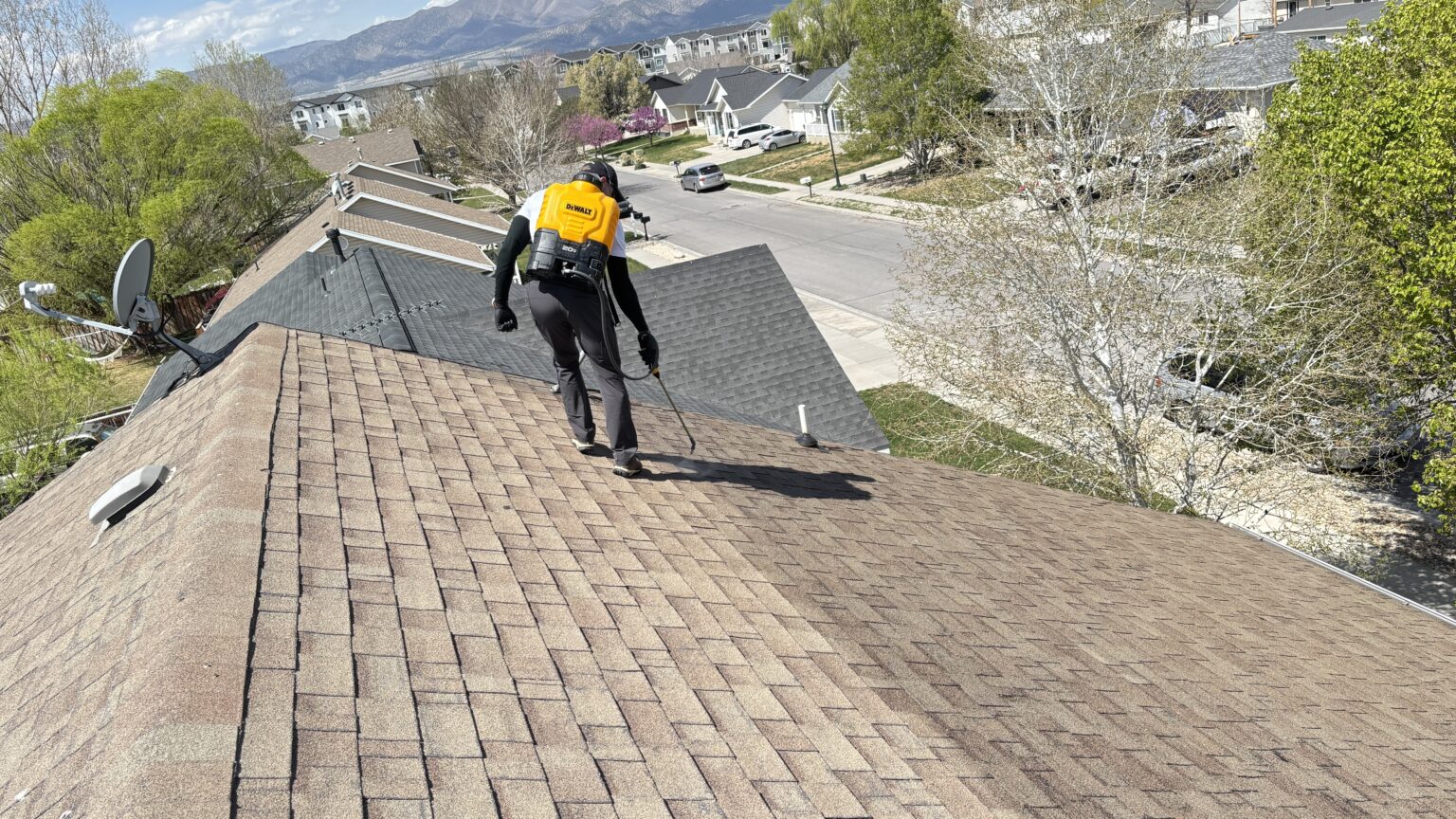
If your roof is aging but still holds structural integrity, a professional preservation treatment is a highly cost-effective path forward. At Nano-Roof, our specialized roof preservation systems are precisely engineered to maximize your existing investment.
Our local treatments are designed to:
Form an invisible, deeply penetrating shield on aging asphalt shingles.
Drastically slow down material deterioration caused by intense Utah sun, UV rays, and heavy snow.
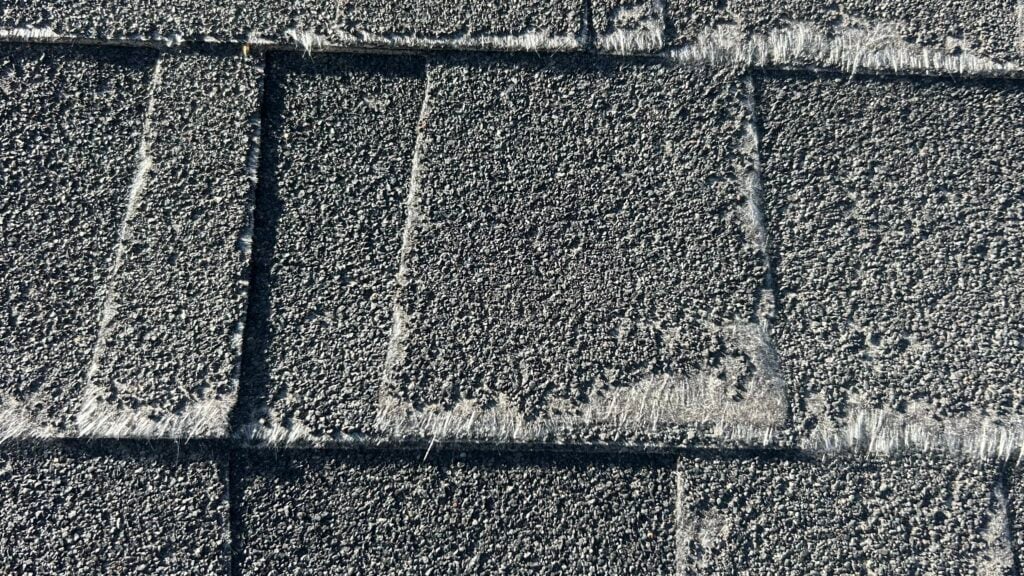
Restore shingle flexibility and lock in protective protective granules.
Significantly improve overall water resistance to prevent devastating interior leaks.
Catching wear early allows you to completely bypass or delay a disruptive, expensive roof replacement.
Discover If Your Roof Qualifies for Protection
Don’t wait for a small leak to turn into a massive capital expense. If your shingles are dry, weathering, or shedding granules, they might be the perfect candidate for high-tech roof restoration.
Contact Nano-Roof today to schedule your comprehensive, free roof inspection in Sandy, Utah. Our team will provide an honest, detailed evaluation of your roof’s current health, map out its remaining functional lifespan, and help you choose the most financially sound solution for your property.
Sources
Internal Revenue Service. Publication 527 – Residential Rental Property
Internal Revenue Service. Topic No. 414 – Rental Income and Expenses